This is a collaborative post.
Nature has a way of lifting up a space and transforming it in ways that you might not expect. Even the smallest touches of nature, be it more sunlight or a few well-placed plants, can make your home feel so much brighter, calmer, and even more welcoming. But you don’t need to be living in the countryside with gorgeous views to achieve this. You don’t even need a huge garden to have these benefits either. Instead, a few small changes are generally all you need to bring the power of nature into your home no matter where you live.
Many of us spend most of our time indoors, often surrounded by screens, artificial lighting, and busy schedules. Adding more natural elements helps balance that out. It improves mood, reduces stress, and makes your home feel like a place you genuinely want to spend time in. Here’s how to use nature to brighten your home in practical, realistic ways.
Source: Unsplash (CC0)
1. Letting natural light do the heavy lifting
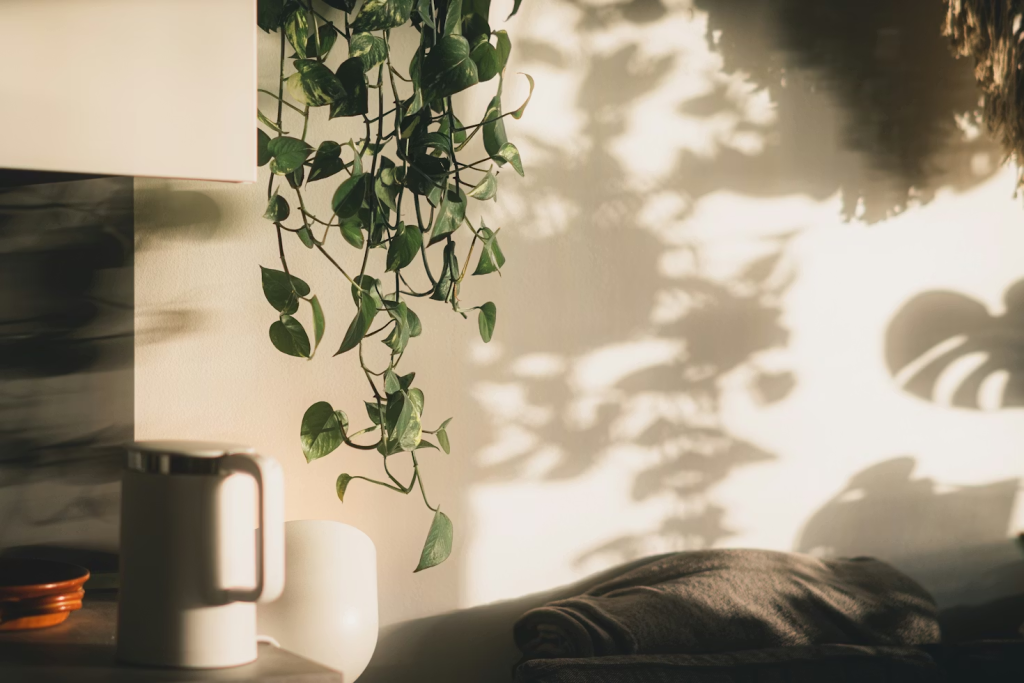
The easiest way to brighten your home is to make the most of natural light. It’s free, it changes throughout the day, and it instantly makes rooms feel more open and alive.
Start by paying attention to how light moves through your home. Pull back heavy curtains during the day, swap darker fabrics for lighter ones, and keep windows as clear as possible. Even cleaning windows more regularly can make a noticeable difference to how much light gets in.
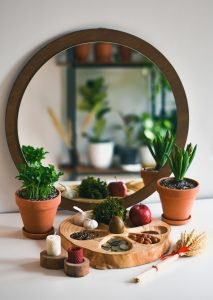
Mirrors are another simple trick. Placing them opposite or near windows helps bounce light around the room, making darker corners feel less closed off. You don’t need to redecorate, just work with what you already have.
2. Bringing greenery indoors

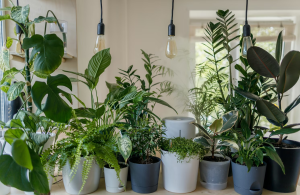
Houseplants are one of the most effective ways to introduce nature into your home. They soften spaces, add colour, and bring a sense of life that artificial decor just can’t replicate. If you’re new to plants, start small. Low-maintenance options like pothos, snake plants, or peace lilies are forgiving and don’t need much attention. Even one or two plants in key areas, like the living room or kitchen, can change how the space feels.
Plants also encourage better habits. When you care for something living, it slows you down slightly and adds a gentle routine to your day. That connection, however small, can be surprisingly grounding.
3. Making the most of outdoor spaces, big or small

You don’t need a large garden to enjoy the benefits of nature at home. Balconies, patios, and even window ledges can become green, uplifting spaces with a bit of thought. A balcony garden is a great example of how small spaces can still make a big impact. A few pots, herbs, or trailing plants can turn a plain outdoor area into somewhere you actually want to sit. It doesn’t have to be perfect or styled for social media. It just needs to feel pleasant and usable.
Outdoor spaces also act as a visual extension of your home. When you look out and see greenery rather than clutter or bare concrete, it has a positive effect on your mood, even when you’re indoors.
4. Keeping outdoor areas tidy and inviting
Simply adding a few plants and pots into your home isn’t the best way to make your home more inviting and brighter, because if you don’t look after nature, it’s not going to look after you. Overgrown lawns, messy edges, or cluttered patios can quickly make outdoor spaces feel stressful rather than calming.
Regular, light maintenance goes a long way. Instead of letting everything build up, doing small jobs often keeps things manageable. Using modern tools, like a battery lawn mower, can make outdoor upkeep quieter, cleaner, and less of a chore. When maintenance feels easier, you’re more likely to stay on top of it.
A tidy outdoor area also encourages you to spend more time outside, whether that’s having a morning coffee, reading, or just getting some fresh air.
Source: Unsplash (CC0)
5. Using natural materials inside your home
Beyond plants, natural materials play a big role in brightening a home. Wood, stone, linen, cotton, and other organic textures add warmth without overwhelming a space.

You don’t need to replace furniture or commit to a full redesign. Small changes, like wooden accessories, woven baskets, or natural fabrics, can subtly shift the feel of a room. These materials reflect light differently than plastics or heavy metals, which helps spaces feel softer and more relaxed.
Natural colours also matter. Earthy tones, soft greens, warm neutrals, and gentle blues connect visually with the outdoors and create a calmer atmosphere.
6. Creating routines that connect you to nature
One of the most overlooked ways to brighten your home is through habits rather than objects. Opening windows in the morning, watering plants, or stepping outside for a few minutes each day builds a stronger connection with your environment.

These small routines help your home feel more alive and less static. You become more aware of changes in weather, light, and seasons, which adds a subtle rhythm to daily life.
Even something as simple as moving your chair closer to a window or having breakfast near natural light can shift how you experience your space.
Why nature makes such a difference
Homes that feel bright and welcoming often have one thing in common: they feel balanced. Nature brings that balance. It softens harsh lines, breaks up artificial elements, and adds movement and variation that our brains respond positively to.
When your home includes natural light, greenery, fresh air, and outdoor views, it supports both your mental and physical wellbeing. You may find you’re more relaxed, more focused, and more comfortable simply being at home. These changes don’t need to happen all at once. Adding nature is a gradual process, and that’s part of the appeal. You adjust things over time, responding to what feels right for you and your space.
When it comes to embracing nature’s gifts and using them to brighten up your home, you really don’t need to make drastic changes or spend huge amounts of money to make things happen. All you really need to focus on is how light works, how to add those living elements like plants, and how you keep your outdoor spaces more inviting. It certainly also helps to choose materials that have that natural feel to calm your senses, but that can come with time.
So whether you’re focusing on how to maintain your garden, growing plants, or just want to let more sunlight into your dreams to brighten them up, every little step you take adds to a greater result and over time, those choices can transform the way you see your home into a healthier and brighter space that is more enjoyable to live, work, and play.
Update: How I implemented this in my study
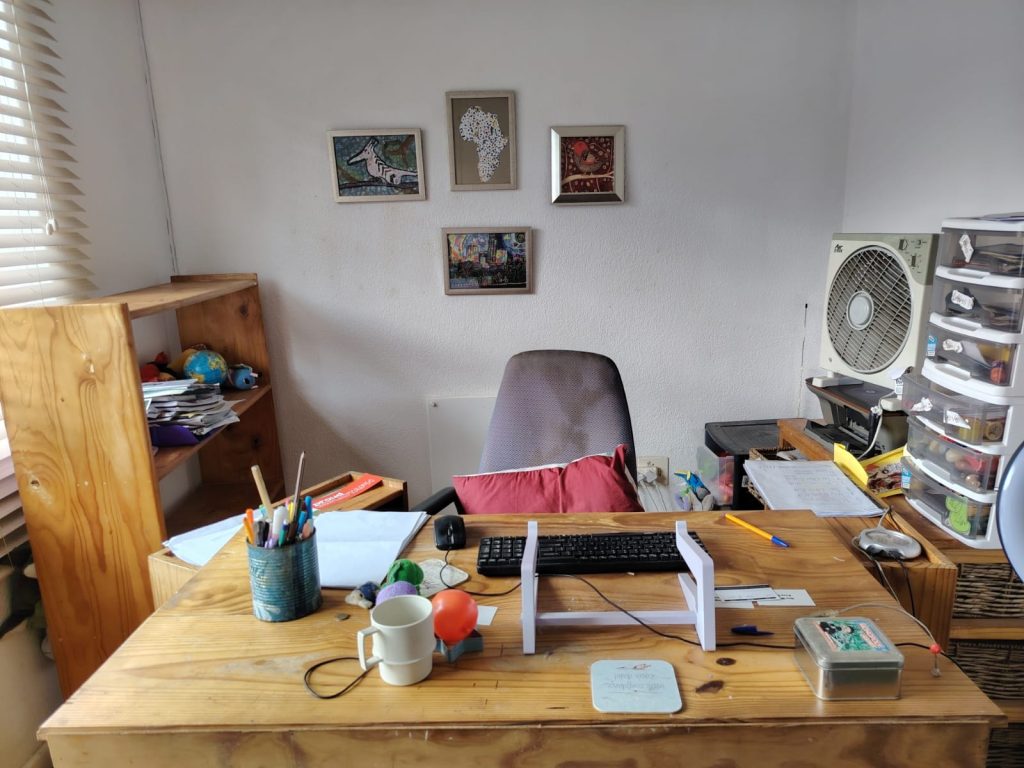
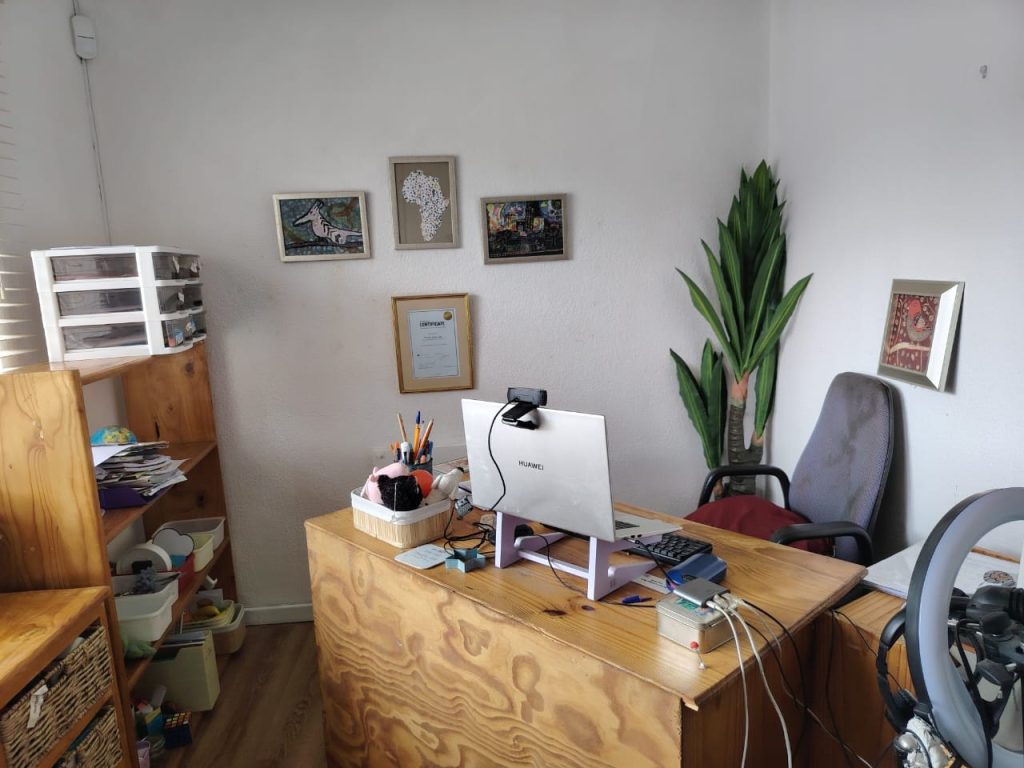
I’ve recently been hit with some work assessments and one thing I’ve learnt from the course that I’ve done is that you must have light coming from the front to improve this aspect of teaching. Combined with the above factors, I’ve rearranged my study to improve light and incorporate nature:
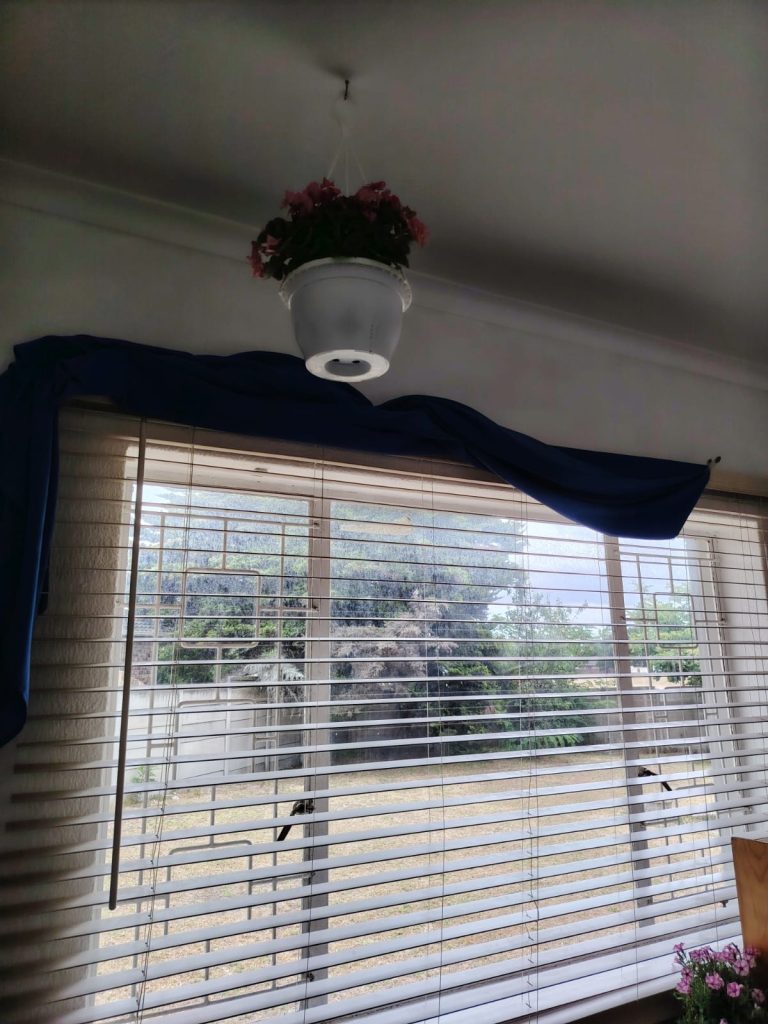
- Moved the desk around so that the window is in front of me. Previously it was to the side and the left side of my face was darker.
- Brought in two pot plants: one is hanging from a hook and the other on a table. Not only do I like looking at them, they actually smell pretty good, too!
- Got a plastic leaf feature for a background effect for when I’m teaching from a Chinese shop. I will just have to dust it, but it still brings an element of nature to the room and my background. I also needed that shape to cover up the alarm antenna. I’m still thinking about what picture to put on the wall next to it. The red robin is ok for now.
- I also got some baskets to put toys in that I use all the time, as well as stationery and other props. It is also a good way of clearing the clutter and putting things together.
What do you think? What changes would you put in your house?
Before
After




[…] Six Ways to Brighten Up Your Home With the Power of Nature […]