This guest post was written by Jasper Stewart.
Many people want to find ways to do their bit for the green cause at home, and there are various steps you can take. This includes things such as reducing your energy usage, investing in energy-efficient appliances, and conserving water wherever possible.
When it comes to the latter, you will find a range of ways to manage your water usage, from taking showers instead of baths to investing in water monitoring devices for the home. By monitoring water usage and taking steps to reduce water wastage, you can benefit financially and reduce your carbon footprint.
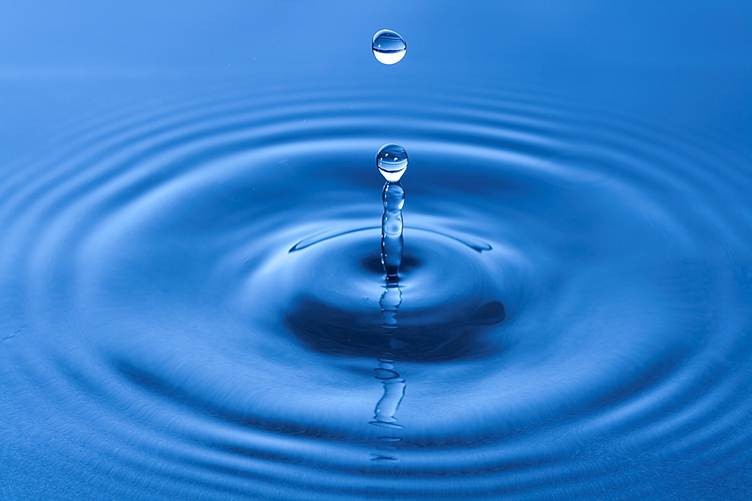
In this article, we will look at some of the things you can do to conserve water around the home.
Tips to Help You Reduce Water Wastage
There are various simple steps you can take if you want to monitor water usage and reduce water wastage in your home. Some of these are:
1. Take Showers Instead of Baths
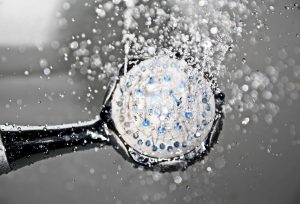
One of the simplest changes you can make is choosing a shower over a bath. A full bath can use a huge amount of water, whereas a five-minute shower uses far less, particularly if you have a water-efficient showerhead. By keeping showers short and turning off the water while soaping up, you can dramatically reduce daily water consumption. If you have kids, encourage them to shower rather than bath, as this also makes a big difference.
2. Fix Leaks without Delay
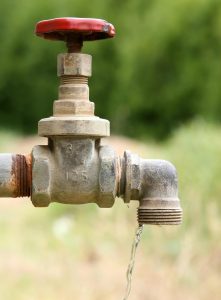
A dripping tap or a leaking toilet might seem minor, but over time, they can waste a lot of water. Regularly check taps, showerheads, and pipework for signs of leaks, and repair them as soon as possible. If you suspect a leak in your toilet, try placing a few drops of food colouring into the cistern and wait to see if the colour appears in the bowl without flushing. If it does, you probably have a leak that needs attention. Speedy repairs prevent unnecessary waste and can help avoid costly damage.
3. Invest in Water Monitoring Devices

Technology can play a valuable role in helping you to conserve water. Investing in water monitoring devices means that you can track your water usage easily and make changes accordingly. Smart water meters and monitoring systems provide detailed insights, helping you understand where and when water is being used most. Some systems even send alerts directly to your smartphone if they detect abnormal usage.
4. Develop Good Habits

Modern appliances are designed with efficiency in mind. When replacing washing machines or dishwashers, look for models with high water-efficiency ratings. In addition, always run full loads rather than half loads to maximise efficiency. In the kitchen, avoid letting the tap run while washing vegetables or dishes. Instead, fill a bowl with water for rinsing. When it comes to the outdoors, consider collecting rainwater in a water butt to use for watering plants. These small changes can make a big difference.
A Win-Win Situation
By reducing water wastage in your home, you have a win-win situation on your hands! Not only do you save money on your water bills, but you also play an important part in protecting the planet.
Related posts:
Four Benefits of Using a Water Purifier at Home





Leave a Reply