You can have 5,000 followers and still leave a brand wondering, “But who is this person, really?”
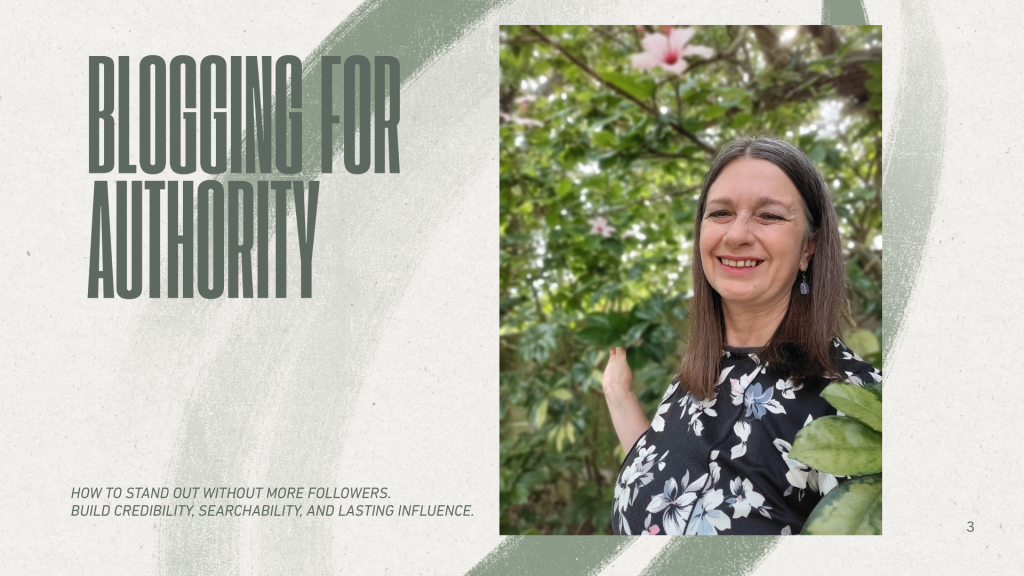
Blogging for authority shows your target audience what you know and how your work can help. It supports personal branding, builds brand authority beyond follower counts, and introduces the principles of thought leadership. Social media marketing matters, of course, but social platforms should support, not replace, the blog you own.
Key Takeaways
- Followers show reach, but a useful, searchable blog helps demonstrate credibility, expertise, and authority beyond social media.
- Your blog is an online home you own, where helpful evergreen content can attract organic traffic, support personal branding, and guide readers towards a clear next step.
- A professional website needs more than blog posts: create clear home, About, contact, and privacy pages, and make the user experience simple and trustworthy.
- Focus on quality content, helpful internal and external links, a clear content strategy, and relevant mentions rather than chasing SEO scores or domain authority numbers.
- Use AI as a practical assistant, not a replacement for your judgement, lived experience, accuracy, or recognisable writing voice.
Authority in action: Two examples
I always talk about how blogging has opened doors for me, so I thought I would share two examples of how having a blog has helped me this year.
In the first example, I was in an ESL WhatsApp group and someone asked “Does anyone have a website?” So I DM’d the guy with my English Steps website and he sent it on to a lady he worked with. She messaged me and asked me what I was looking for. I just said I was looking for a few private students. She said she could set me up with some parents, and next thing you know, I’ve got another job.
In the second example, I found out that as teachers, you can get access to premium Canva features. I’ve been paying for Canva for many years now and thought this would be worth a shot. You can read more about it in this post. The upshot is, however, that after being rejected I appealed the decision with my English Steps website as evidence of being a teacher. And now I don’t have to pay for Canva anymore.
In both instances, the blog was proof that I really was a teacher and it really helped me establish not only my authority but also examples of my work in the form of blog posts.
Followers are not the same as authority
Followers can show reach. They do not always show credibility.
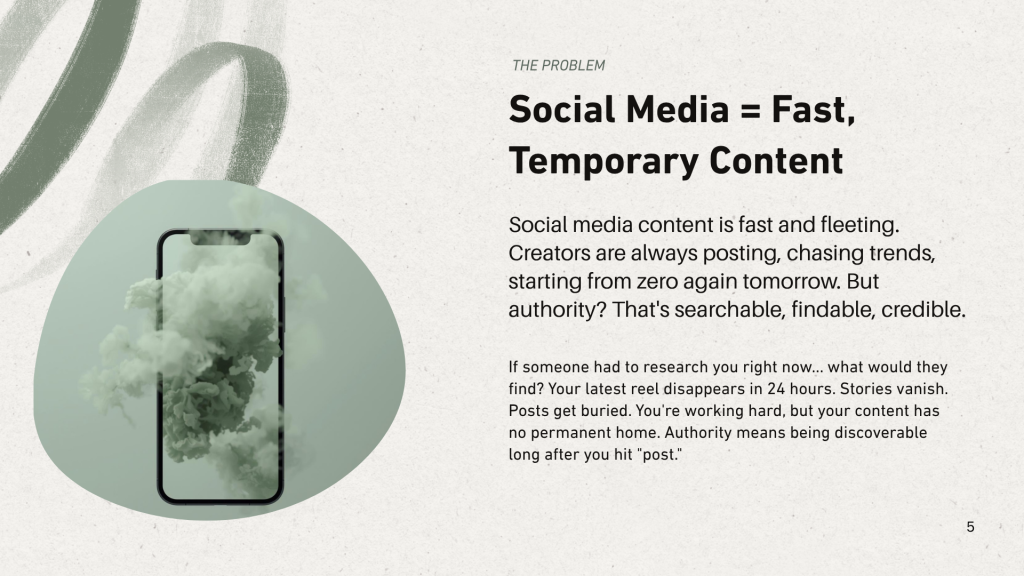
Think about it. If a brand Googles your name, what will they find? Your Instagram profile? A few old Facebook posts? Or will they find an authority blog, media features, quality content, a professional website, and evidence that you know your topic?
That is where authority starts to grow.
Followers show reach. Searchability helps show authority.
A Reel can be brilliant, funny, helpful, and beautifully edited. But it has a short shelf life. Instagram Stories disappear after 24 hours. Social posts can get buried in a busy feed within days.
A well-written blog post is different. It can come up in Google months later when somebody needs the answer you have already shared. It can introduce people to your work while you are asleep, making tea, dealing with children, or having a day off. Not bad for one piece of content!
What brands may look for before they contact you
Before a brand pays a creator, they want to feel confident that they are dealing with somebody professional. They may look at your social profiles, but they are often looking further than that.
They may search for:
- Articles and resources published under your name.
- Media features, interviews, professional profiles, or guest posts.
- Long-form content that shows your knowledge has depth, including opinion pieces and research-driven posts.
- A website that makes it clear who you help and what you do.
- Evidence that you are consistent, trustworthy, and easy to contact.
A blog gives brands somewhere to go when they want the fuller picture. A consistent body of useful work can demonstrate thought leadership and informed judgement. It says, “This is not only a person who posts. This is someone who knows their subject.”
Your blog is the online home you own
Social media is useful, but it is borrowed land. You do not own Instagram. You do not own Facebook. Platforms can change their rules, limit reach, suspend accounts, or disappear one day.
Your blog is a platform you control.
A website is your own little home on the internet. You choose what you publish, how it looks, how people contact you, and where your readers go next. It gives your work a permanent address.
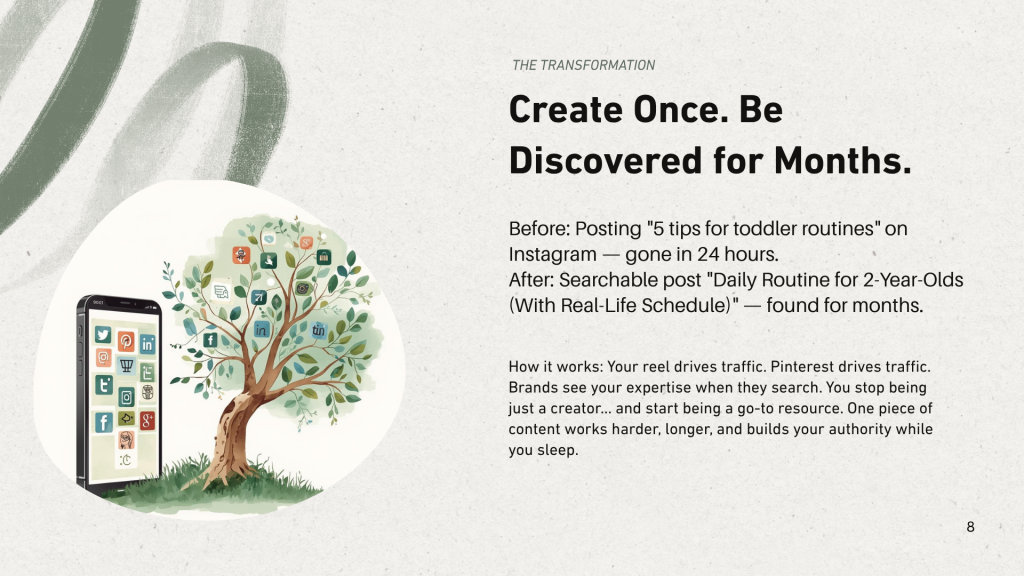
For example, you could share “Five tips for toddler routines” in an Instagram post. That is useful, but it may disappear into the scroll.
Or you could write a detailed post called something like “A Daily Routine for a 2-Year-Old: A Real-Life Schedule”. This anchor content could include meal ideas, nap times, activities, what happens when the day goes sideways (because it often does), and links to other helpful parenting posts.
It becomes cornerstone content that supports related posts and may attract organic traffic over time. Nothing is guaranteed, but people can keep finding it when they search for help.
The second piece has staying power. It gives people something they can find at 2 am after another difficult bedtime.
A small travel blog can also build authority over time by focusing on one clear blog niche. With a coherent content strategy, it can become an authority blog known for that subject. Moz shares an example of how a small travel blog built topical authority, which is a useful reminder that you do not need to be the biggest site on the internet to become known for something.
Helpful content can lead to real business
The best blog posts start with a real problem. Somebody has a question, a worry, a need, or a job they do not want to do themselves. They search Google, land on your post, and find an answer.
This is content marketing at its most useful. Solve the problem first, then present an offer.
Sometimes, that answer leads to a sale.
Imagine you run a painting business. A reader searches “how to paint a house”, finds your clear step-by-step article, and soon realises that painting a whole house is more work than they had imagined. Your post has helped them, and it has also shown that you know what you are doing. They may decide to contact you instead.
The same idea works for bloggers and creators. Good content creation starts with a clear target audience and a problem they want to solve.
A parenting blogger might write about easy activities for children at home, then offer a printable activity pack at the end. A food creator might share a useful meal-planning post and link to a meal-planning resource. A social media coach might answer a common question, then offer a paid session for people who want personal help.
This helpful work is quality content, and it can reach more people through suitable content promotion. That might include carefully chosen social media marketing, without turning every post into an advert.
For more ideas on using helpful content to promote your business, it helps to think about the problem first and the offer second. Nobody wants to be shouted at by an advert. People do appreciate a useful answer.
Give readers a clear next step
Every post does not have to sell something. But every post should have a purpose.
When a reader reaches the end, what would you like them to do next?
- Read another related post on your website.
- Subscribe to your email list for a useful free resource.
- Download a printable, journal, guide, or activity pack.
- Contact you about a service.
- Visit a product page or an affiliate recommendation.
This is your call to action. It can be gentle. It can be simple. It just needs to make sense for the person who has read the post.
A clear next step can also help build a loyal readership over time. A blog can support income in many ways, including affiliate marketing, sponsored content, display adverts, digital products, coaching, and events. The important bit is that the offer fits the content and forms part of a sensible monetization strategy.
Set up a blog that looks professional
Starting a blog can feel like a lot. Hosting, domains, themes, plugins, pages… it is easy to look at everything and think, “Nope, I am going back to Instagram.”
Take it one step at a time.
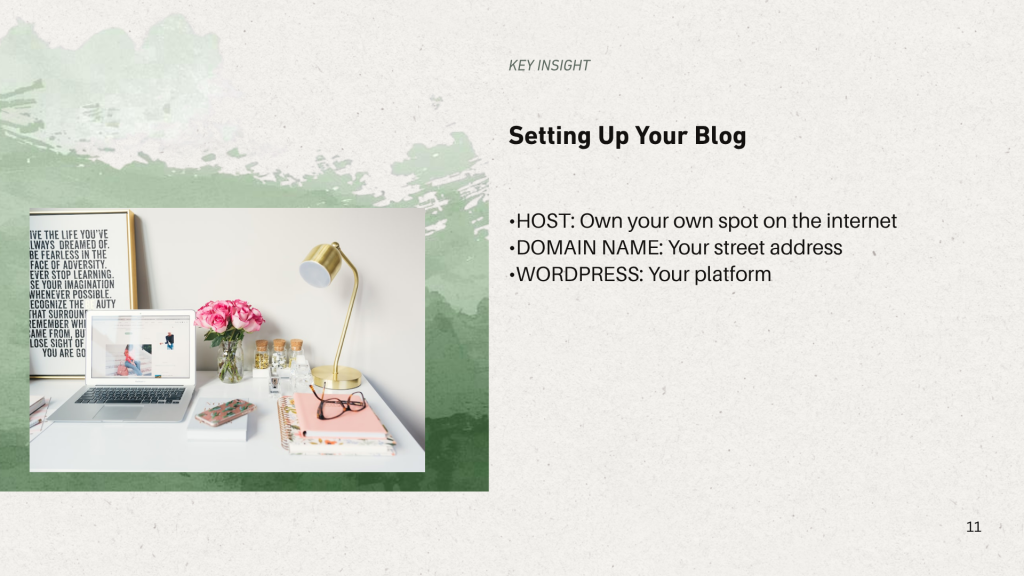
You need a domain name, which is your website address. It should be easy to spell, easy to remember, relevant to your work, and flexible enough to grow with you. Your interests may change over time, so try not to choose a name that boxes you in too tightly.
If you run a local South African business, a .co.za domain can make good sense. If you want to reach readers in more countries, an international domain ending may be worth considering. There is no one right answer. It depends on who you are trying to reach.
You also need hosting, which is where your website lives online. Prices and payment plans vary widely, so read the small print. A low monthly price can sometimes become a large upfront payment for several years.
Hosting features worth comparing
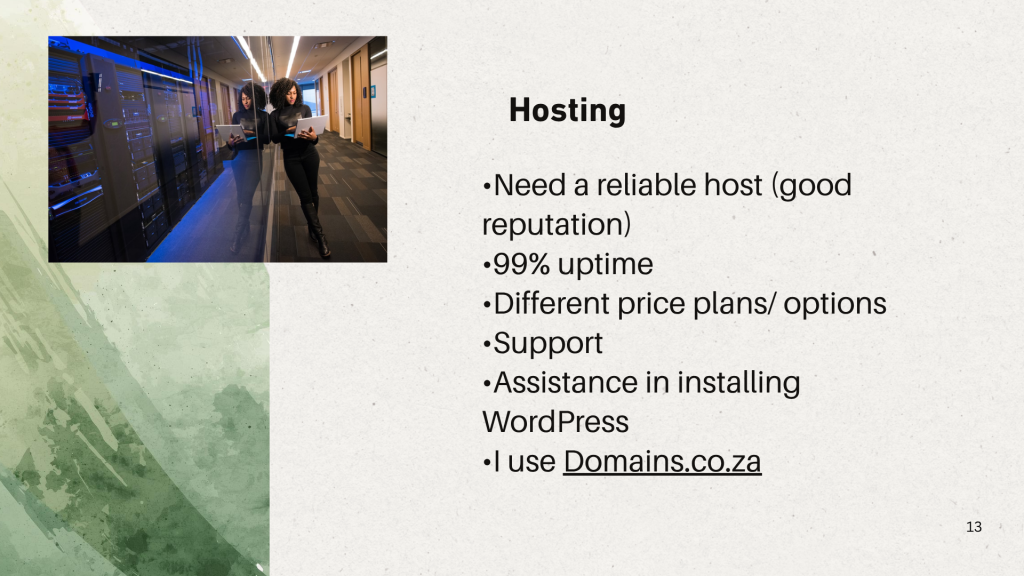
Before choosing a host, look for a few practical things:
- Good uptime, so your site is not regularly unavailable.
- Helpful support when something goes wrong.
- A straightforward way to install WordPress.
- Clear pricing and renewal costs.
- Enough space and features for the website you want to build.
WordPress is a popular choice because it is flexible, customisable, user-friendly, and built with blogging in mind. It also gives you access to plugins, which are small add-ons that help your site do extra jobs.
Your theme controls the look and layout of your website. A clean, easy-to-read theme improves the user experience and makes your site feel more professional. That presentation helps visitors trust what they see. Genesis, Kadence, and Restored 316 are examples of themes and theme frameworks that bloggers use. Free themes can work well, while paid options may offer more design choices.
Do not get stuck trying to make your website perfect on day one. A simple, tidy site that explains what you do is far better than a beautiful idea that never gets published.
Create pages that build trust
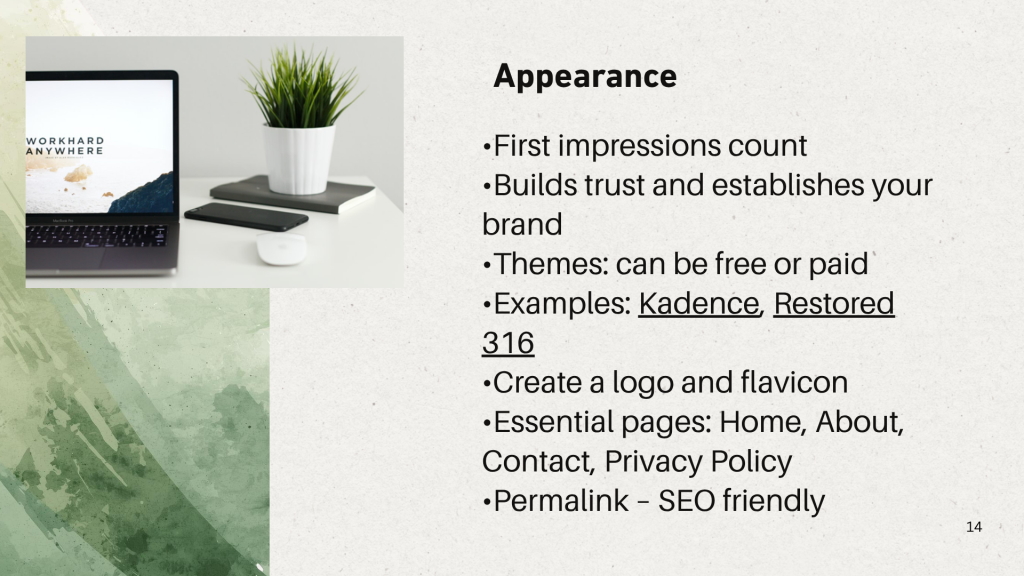
Your blog posts may bring people to your site, but your main pages help visitors decide whether to stay.
At the very least, create a home page, an About page, a contact page, and a privacy policy.
Your home page should quickly tell visitors what the blog is about, who your target audience is, and what they can expect. Do not make people play detective. If you write about parenting, family travel, blogging, meal planning, or content creation, say so.
Your About page is not only about you
Yes, people want to know who is behind the blog. But an About page should not read like a school autobiography.
It should answer the question a visitor is already asking: “Am I in the right place?”
Share how you can help, what readers can expect, and why they can trust you. Include relevant experience, articles you have written, professional work, media features, projects, or qualifications. This is a good place to connect your experience, personality, and expertise through personal branding.
A useful About page might include:
- The topics you write about and who you write for.
- A little of your personal story where it gives context.
- Links to published work or features.
- A simple explanation of what readers can expect from your newsletter or services.
Your contact page should be easy to find and simple to use, supporting a clear user experience. A contact form is often better than putting your email address in plain sight, because spam bots love harvesting public email addresses. You can still include links to your social accounts, especially if brands often contact you there.
A privacy policy is also an essential page. It explains how your website handles visitor information, especially if you use an email list, analytics, advertising, or contact forms.
Write blog posts people can find and trust
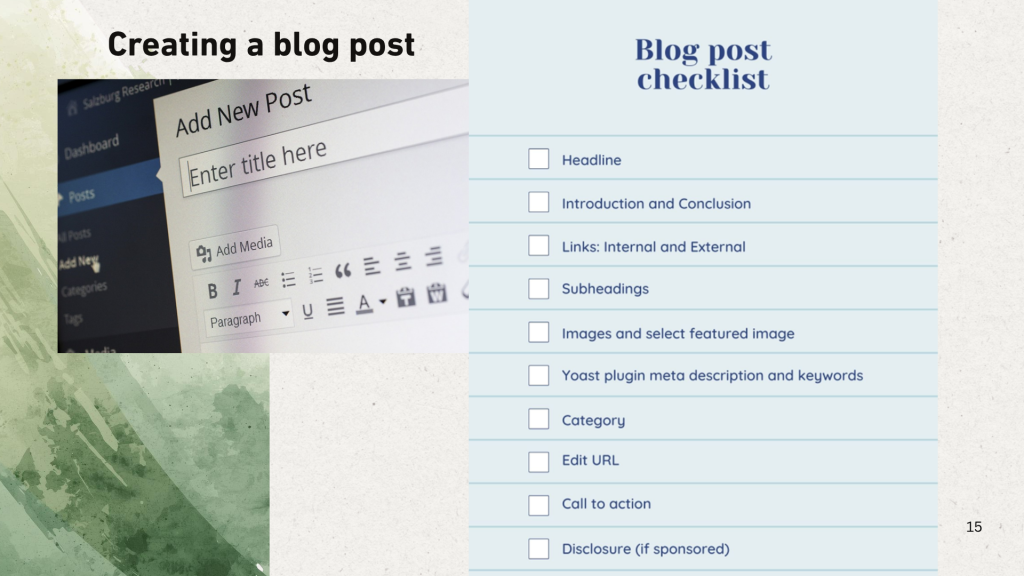
A strong blog post does not need to be fancy. It needs to offer quality content that is useful, clear, and easy to read.
Good on-page search engine optimization starts with a headline that tells people what they will get. Add a short introduction that answers their question. Use subheadings to improve the user experience, include helpful images, and finish with a sensible next step.
Long posts without headings can feel like walking into a cupboard and having everything fall on your head. Give readers room to breathe, and make each section easy to scan.
Internal links connect one post on your blog to another. They help readers find more of your work and show how your topics fit together. A strong evergreen post can become anchor content for a subject. If you write about family holidays, for example, link to another relevant travel post on your site.
External links point readers to trusted sources or useful resources elsewhere. Both types of links can make a post more helpful when they are relevant. They also support a smoother journey through your site.
Before publishing, choose at least one related post on your own site that a reader would genuinely want to read next.
Useful posts can support content marketing by helping people discover your work and understand what you offer. Try different formats, including opinion pieces and research-driven posts. Then choose suitable content promotion channels for each one.
Categories matter too. Choose a small number of main topics for your blog niche, then use them consistently. This focused content strategy can help your site become an authority blog in its subject area. A simple editorial calendar can also keep content creation organised. Too many categories can make a site feel messy. A blogger who writes about parenting, travel, blogging, and reviews does not need 40 categories for every tiny variation.
Keep your URL short and clear as well. A long headline does not need a long web address. Use the main words people are likely to search for. A clear URL can support organic traffic and make your content easier to understand. Once a post is established, be careful about changing it. Old links can break, and search engines may struggle to find the post again.
Use Yoast as a guide, not a boss
Yoast is a WordPress plugin that gives you on-page SEO suggestions. It can be very helpful when you’re learning how search engine optimization works.
You choose a focus keyphrase for a post, then Yoast checks whether that phrase appears in useful places. It may look at the heading, introduction, meta description, URL, image details, internal links, external links, readability, and more.
For a post about St Lucia, for example, “St Lucia” could be the focus keyphrase. It might appear in the title, the first paragraph, a subheading, the meta description, and the URL.
Yoast can show green, orange, or red indicators. Green is nice. We all like a green smiley face! But don’t bend every sentence into a strange shape just to please a plugin.
A post must still sound like a human wrote it for another human.
If the plugin suggests adding an internal link, that is often a useful prompt. Perhaps a reader of your St Lucia article would also enjoy a family travel guide or another destination post. Add the link because it helps, not because you’re chasing a colour-coded score.
Build authority through links, mentions, and good work
Domain Authority is a score created by Moz to estimate how likely a site is to perform in search compared with others. It is not a Google ranking factor, and it is not the only thing that matters. Still, it can help you think about a website’s reputation and links.
A newer blog often has a lower score because fewer websites point to it. An older site may have more links, mentions, and published content behind it. You can read more about domain authority and SEO if you want to understand how it fits into the bigger picture.
The goal is not to chase a number. Build a healthy backlink profile through relevance and trust instead. Become someone worth mentioning.
Guest posts can help. So can expert comments, interviews with industry experts, media features, and professional profiles. Content promotion, opinion pieces, and research-driven posts may also earn attention or citations, while building thought leadership over time.
Even a no-follow link or a profile that does not directly pass search authority can add credibility. Being featured on a respected website may support your brand authority and help a future client or brand see that you are active in your field.
Use AI carefully, and keep your voice
AI can be handy. It can help with brainstorming, outlining, content ideas, and parts of content creation. It can also help create a branded image when stock photography does not fit.
For example, if you need an image of somebody being interviewed, an AI-generated image may be practical. You can also create images in colours that suit your brand. Just be transparent with readers about where images come from.
For stock images, sites such as Pexels, Unsplash, and Pixabay are common starting points. Always check the image licence and be careful with copyright. A pretty image is not worth a stressful copyright email later. Nope.
AI should support your expertise, not replace it. Quality content still needs accuracy, usefulness, and a recognisable voice.
Human writing is still where your authority lives
Your judgement and lived experience are what make thought leadership credible. Use AI to save time, but keep the ideas, opinions, and final decisions yours.
Edit everything, fact-check important details, disclose AI-generated images where appropriate, and make sure the finished work still sounds like you.
Still confused? Want step by step videos?
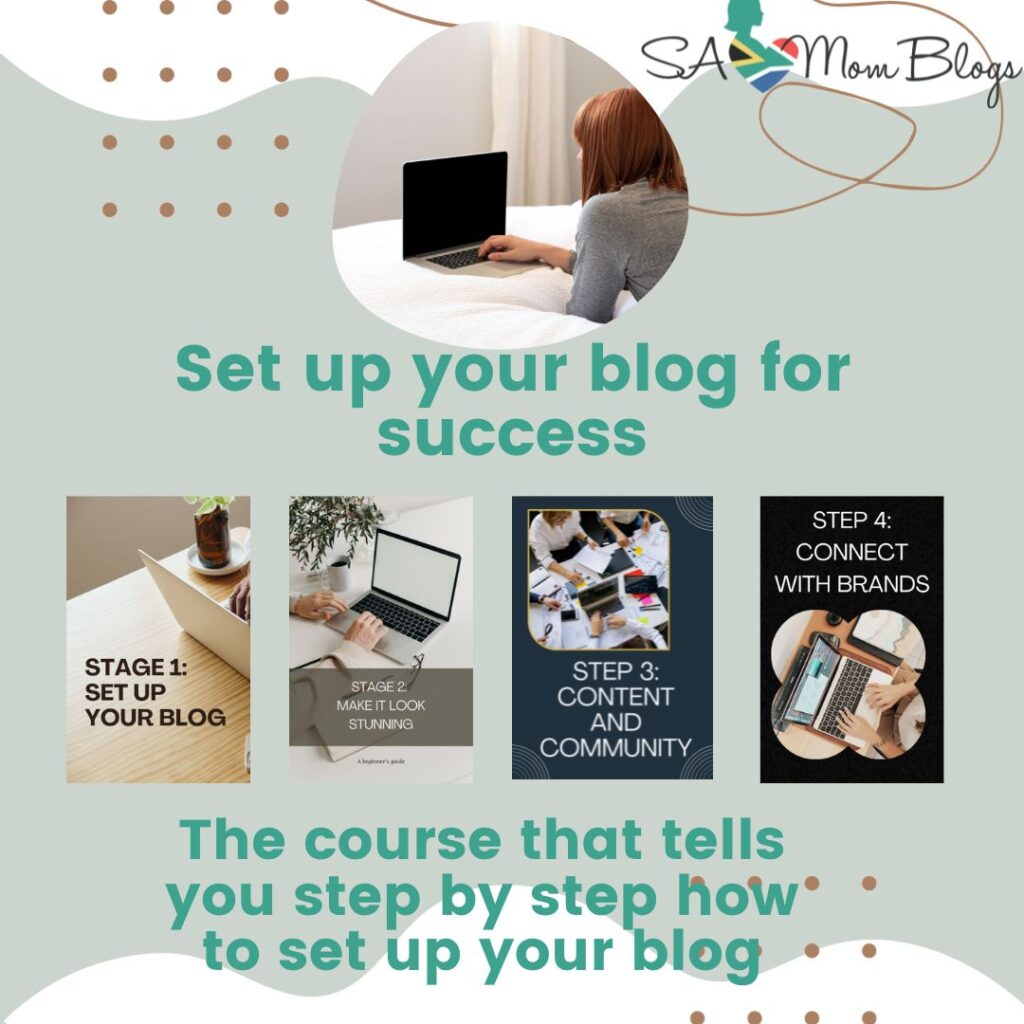
You can get all the detail of how to set up a blog my video course which takes you through the practical steps of setting up a blog – with screensharing. It’s five hours of videos, lots of detail, lots of real life stories and real problems and how I solved them.
Check it out here
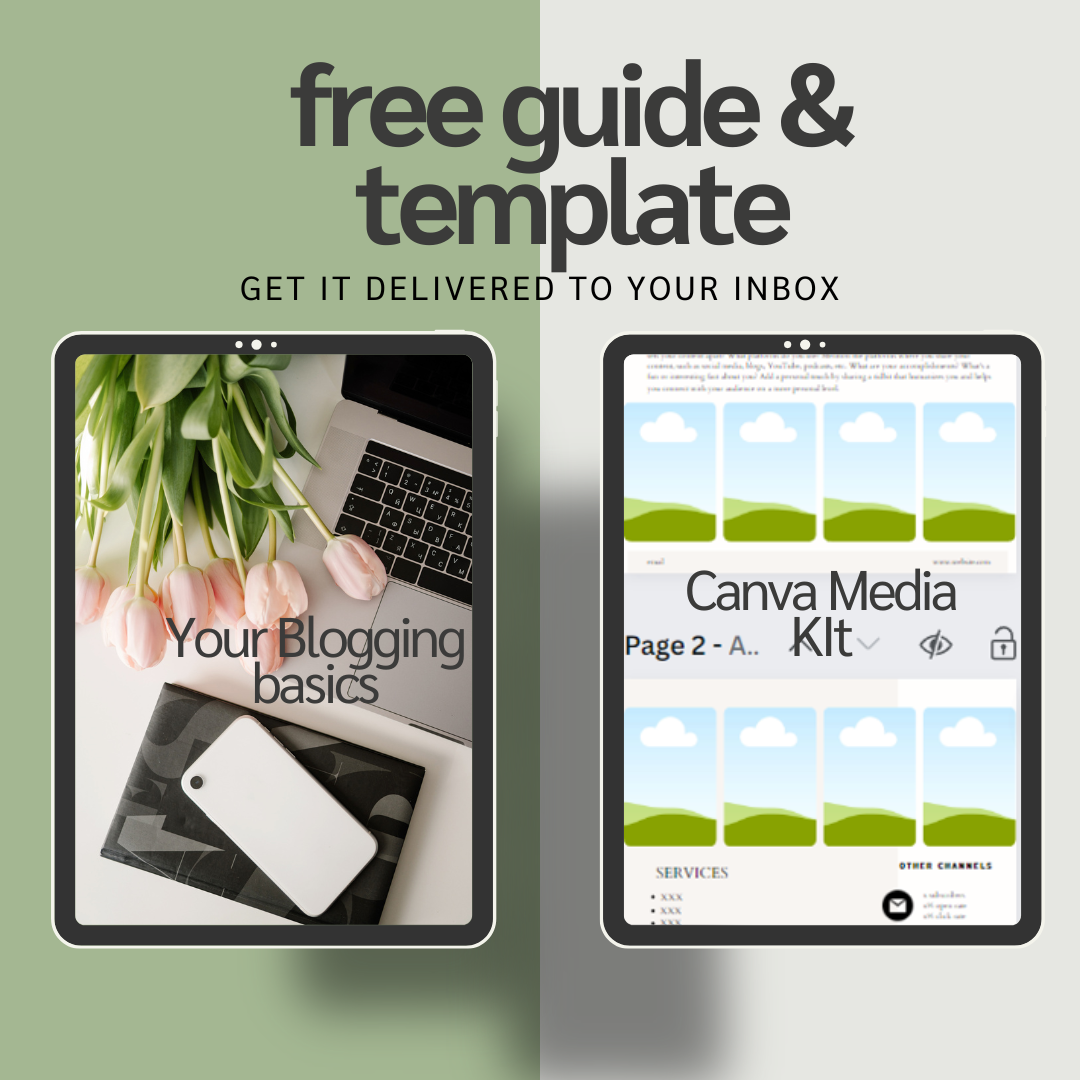
Get my free blogging basics and media kit below:
Frequently Asked Questions
How does blogging help build authority?
Blogging gives you a place to demonstrate your knowledge in more depth than a short social media post usually allows. Useful, well-written articles can appear in search results, support personal branding, and show potential clients or brands that you understand your subject.
Do I still need a blog if I have a large social media following?
Yes, because social media platforms are borrowed spaces where algorithms, rules, and reach can change. Your blog gives you an online home that you control and creates a searchable body of work that can keep working beyond the life of a social post.
What should I write about to attract the right audience?
Start with the real questions, problems, and worries your target audience has. Create clear, helpful posts that solve those problems, then offer a relevant next step such as another article, a free resource, a product, or a service.
Does every blog post need to sell something?
No. Every post should have a purpose, but that purpose might be helping readers, building trust, or guiding them to another useful piece of content. When an offer is relevant, include a gentle call to action that fits naturally with the article.
Can AI write my blog posts for me?
AI can help with brainstorming, outlining, content ideas, and some practical parts of content creation. Your expertise, lived experience, fact-checking, editing, and final judgement should remain at the centre so the finished work is accurate and still sounds like you.
The video was taken from a presentation included in the Creators Hub Online Summit.




[…] they want to work with you – what is coming up? Here I will share some tips on how I’ve worked on my authority through blogging and how I’ve structured my About Page to reflect […]